Keeping the crunch in a seedance 3.0 katsu-bowl concept
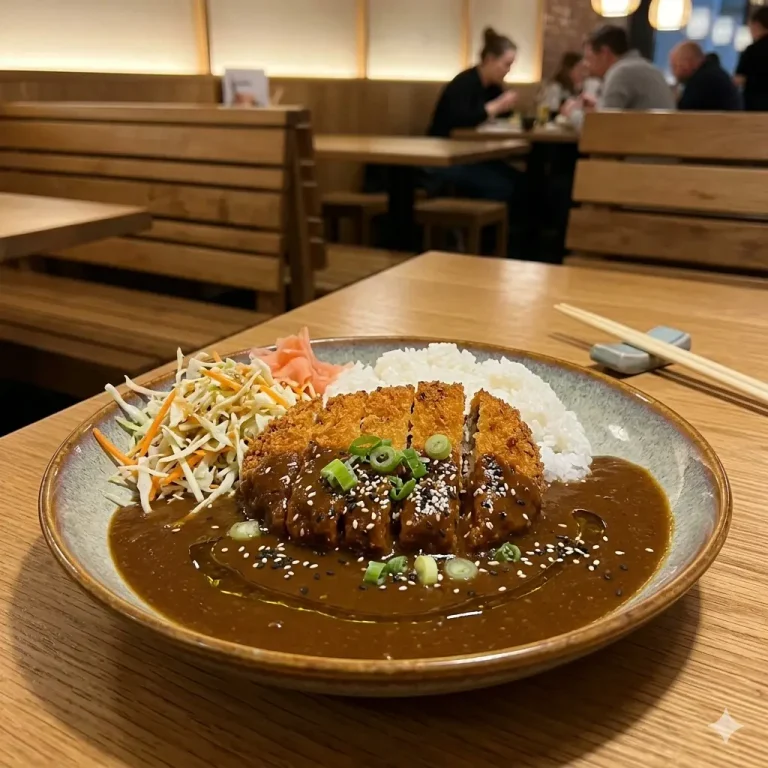
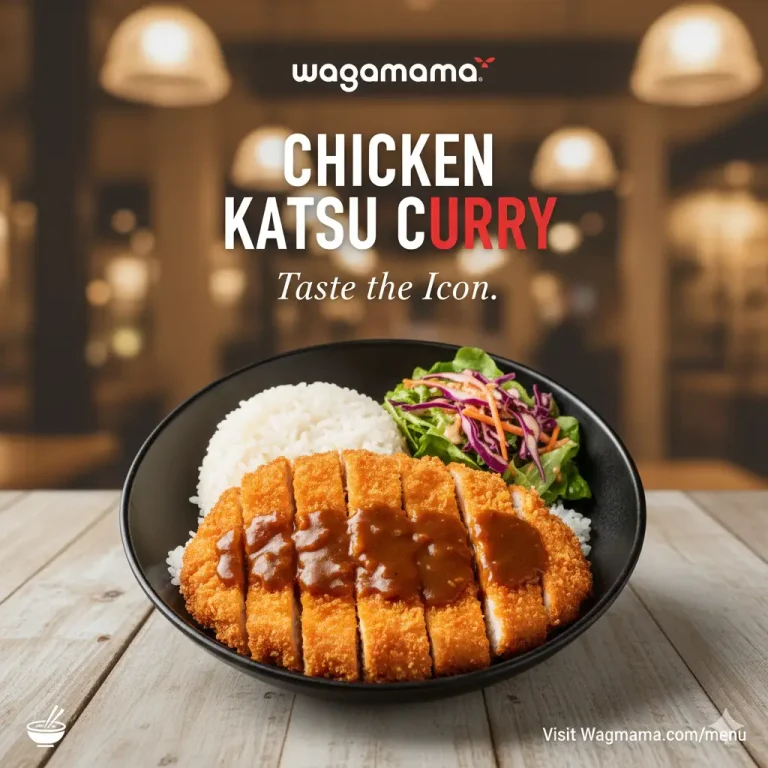
A crisp edge can disappear in a food video when the camera arrives from the wrong direction. I would build a short katsu-style bowl concept around that problem: show the contrast between a breaded cutlet, a small mound of rice, and a separate pool of sauce. The project would be a proposed food-video exercise, not an official restaurant advertisement or a claim about a current menu item.
The bowl would be prepared and photographed as it actually looks. I would not add ingredients in the video that were absent from the reference dish. For a real restaurant commission, the kitchen would confirm the portion and presentation before filming. In this concept, a clearly described homemade or studio-prepared bowl would keep the visual example separate from any named chain’s products or prices.
The video possibilities in seedance 3.0 would enter after I had settled that composition. I could turn a still reference into a short approach across the bowl, using text to guide the camera and a movement reference to establish its pace. The task is to generate a food shot with controlled motion. It is not to calculate nutrition, invent a recipe, or reproduce a restaurant’s ordering system.
Find the edge that catches the light
I would place the breaded piece slightly above the rice rather than bury it in sauce. A side light would make the crumbs visible along one edge. The opposite side could remain softer, giving the viewer a reason to move across the frame. An evenly lit overhead photograph might explain the ingredients, but it would not necessarily convey the texture I want this video to emphasize.
The first reference image would leave a little space between the bowl and the edge of the table. That margin matters when the camera begins to move. If the bowl already fills every corner, a slight shift can crop the part of the dish that makes the composition readable. I would use a plain surface and remove branded packaging from the background.
I would keep the sauce in a small, controlled area for the opening shot. A glossy surface can be useful, but too many bright reflections compete with the breading. The rice would remain visibly separate. These are choices about the appearance of the particular reference bowl, not claims about the correct way for every kitchen to serve the dish.
Film the action that depends on contact
The sauce being spooned onto the plate would be a real recording. I would frame the spoon, the falling sauce, and the point where it lands together, rather than cutting before the contact becomes visible. That action tells the viewer something about consistency. A generated stream that changes thickness unpredictably could make the food seem unlike the bowl being presented.
The next seedance 3.0 shot could begin after the spoon has left. A fresh photograph would capture the finished arrangement, and the generated camera would travel a short distance toward the crisp edge. This approach lets the real action establish the food while the generated shot gives the viewer time to look. I would not require a single uninterrupted take to do both jobs.
A short camera reference could be recorded beside an empty bowl at the same height. Its role would be to communicate the speed and direction of the move. The food photograph would remain the source for the ingredients and arrangement. Keeping those roles distinct would make it easier to revise the movement without changing the dish itself.
Let the sound describe a modest serving
I would record the spoon touching the bowl and a quiet movement of chopsticks or cutlery, depending on the scene I choose. I would avoid exaggerated crunch sounds unless an actual bite or cut is being shown and recorded. Sound can create a texture promise just as strongly as a close-up, so it should belong to the action rather than compensate for it.
An audio reference could help establish the atmosphere in seedance 3.0, but I would still align individual sounds during editing. The spoon’s contact should not arrive before it touches the bowl. A soft room tone could bridge the real and generated shots, keeping the sequence from sounding like unrelated clips placed beside one another.
Music would be optional. I would first test whether the bowl, the spoon, and the camera’s pause create enough rhythm. If the food needs a rapid beat to remain interesting, I might have selected a weak angle. A clearer view of the breaded edge could improve the sequence more than another layer of audio.
Judge the same bowl across the cut
For the first seedance 3.0 review, I would follow the outline of the cutlet and the rim of the bowl. If the food becomes thicker during the approach, I would shorten the move and use a photograph with a clearer side profile. If the rice merges into the sauce, I would improve the separation in the physical arrangement before trying again.
Steam would stay restrained. A large cloud can hide the surface and suggest heat that the captured dish no longer has. I would not make steam the principal effect simply because it looks cinematic. The intended contrast is crispness, rice, and sauce; any atmospheric movement should leave those details visible long enough to recognize.
At that point, seedance 3.0 pricing would help me plan the cost of further video generations. I would prioritize a stable bowl and a useful angle over multiple alternative backgrounds. Food preparation, photography, sound, and editing would remain separate considerations. The generation price tells me about the service, not the cost of preparing or selling the meal.
Close on the food that was actually prepared
My final seedance 3.0 selection would end with a short hold on the finished bowl. The name of the concept could be added in an editor, outside the food itself. If this became a real menu video, any dish name, price, allergen statement, or availability information would be supplied and verified by the business before publication.
I would compare the opening reference and final frame once more, looking for changes in portion, garnish, or bowl shape. The video should make the actual presentation easier to notice. It should not quietly upgrade the serving into something a customer cannot receive. That is a practical reason to keep the scene small and the reference clear.
The finished concept would have one simple progression: a textured edge catches the light, a real spoon completes the serving, and the camera settles on the bowl. I would rather give those moments enough room than fill the piece with unrelated dishes. A food video becomes memorable when its movement helps the viewer see what is already on the plate.